Crown Chakra
Crown Chakra
The Centre of Spiritual Awareness, Inner Peace and Universal Consciousness
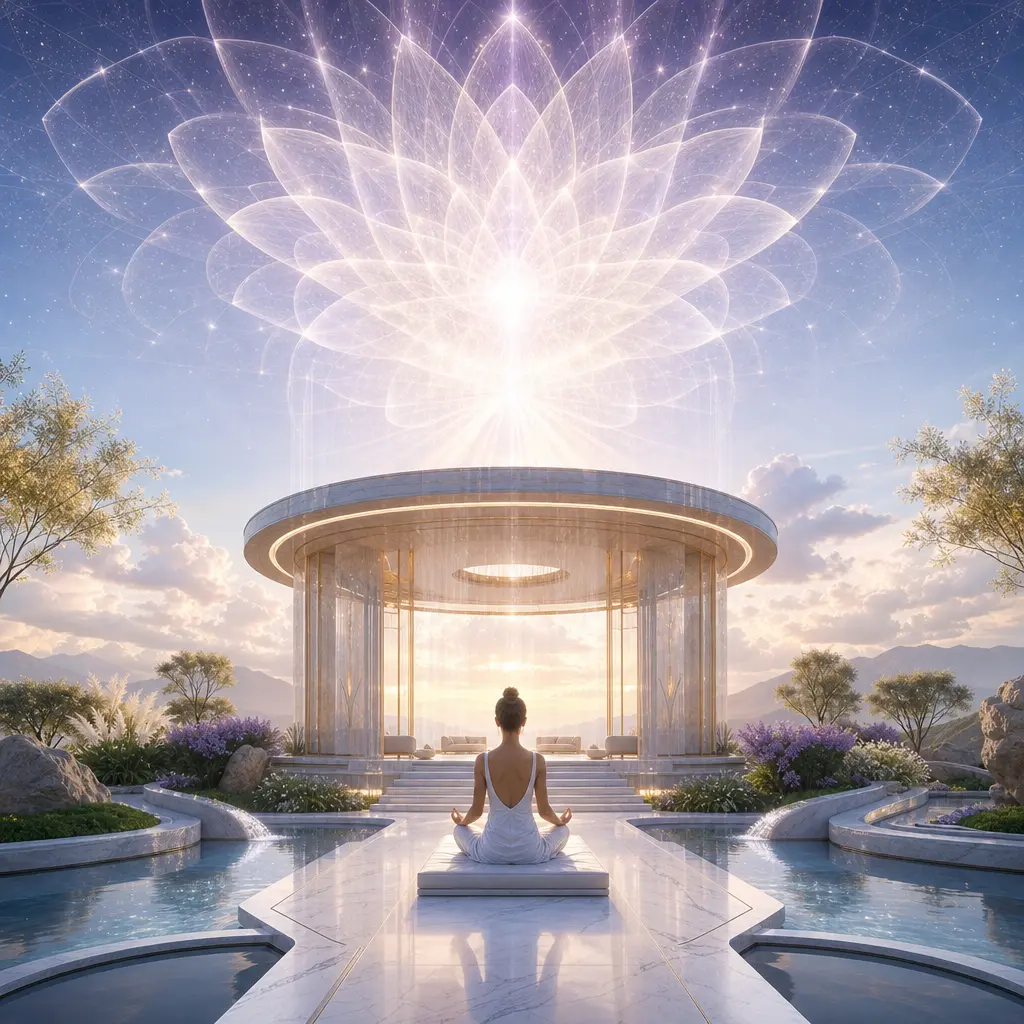
The Crown Chakra, traditionally known as Sahasrara Chakra, is located at the crown of the head and is associated with the Space element. In yogic and Ayurvedic philosophy, it is regarded as the highest energy centre, representing pure consciousness, spiritual awakening, wisdom, enlightenment, and the realization of one’s connection with the universe.
Unlike the lower chakras, which are primarily associated with physical and emotional aspects of life, the Crown Chakra symbolizes the integration of body, mind, and spirit. It is often described as the gateway to higher awareness, inner peace, and self-realization.
Within Ayurvedic philosophy, the Crown Chakra is closely linked with the brain, nervous system, mental clarity, and neurological coordination. It represents the ability to transcend ordinary thinking and experience a deeper sense of purpose, compassion, and universal connection.
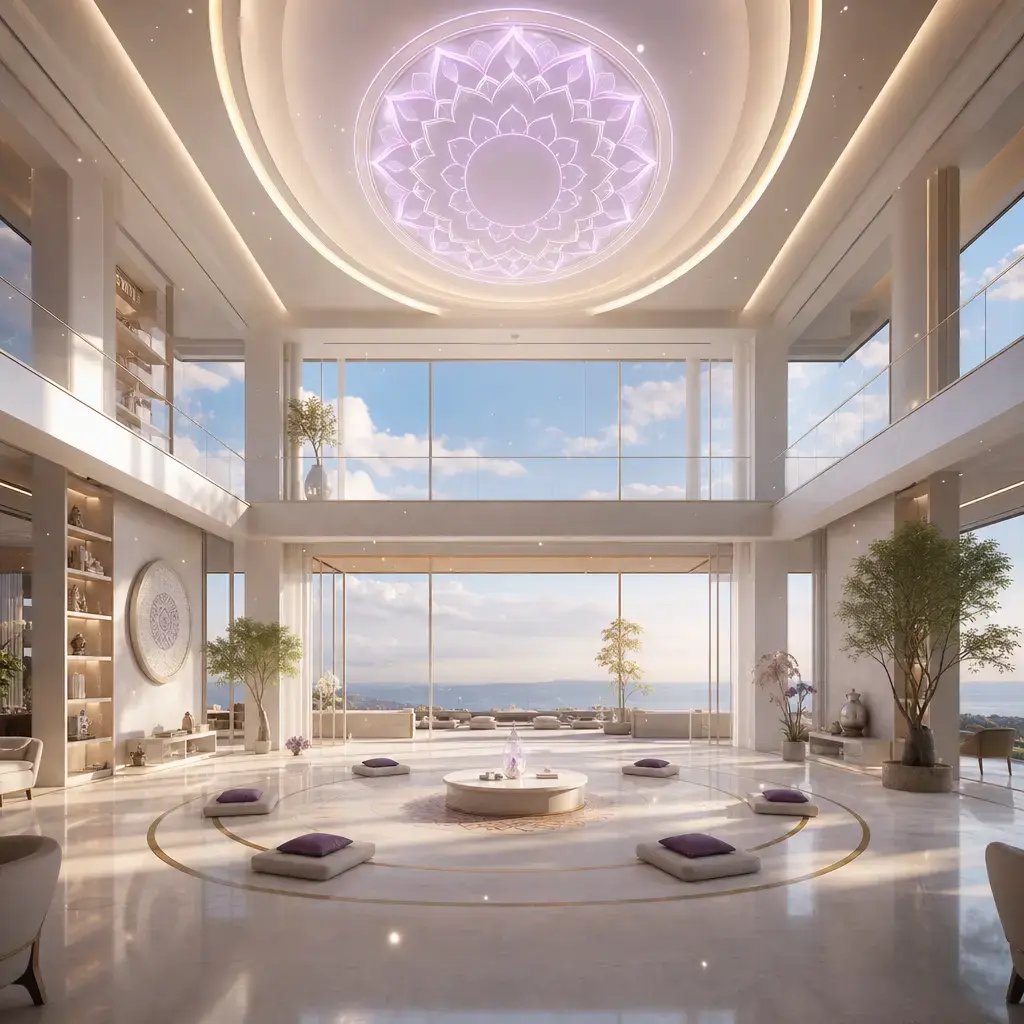
In Vastu Shastra, the Crown Chakra resonates with the Space element, which represents openness, expansion, and limitless potential. Space is regarded as the foundation upon which all other elements exist, emphasizing balance, harmony, and the continuous flow of energy throughout a building. A thoughtfully planned environment that encourages openness and tranquillity may help support reflection, mindfulness, and emotional balance.
Core Qualities of the Crown Chakra
The Crown Chakra governs qualities such as:
These qualities encourage individuals to develop compassion, gratitude, acceptance, and a broader understanding of life.
Body Systems Traditionally Associated with the Crown Chakra
According to Ayurvedic and yogic traditions, the Crown Chakra is associated with:
Brain
Central nervous system
Mental clarity
Neurological coordination
These associations are symbolic within traditional healing philosophies and represent the relationship between consciousness, awareness, and higher mental functions.
Signs of a Balanced Crown Chakra
When the Crown Chakra is balanced, a person may experience:
People with a balanced Crown Chakra often approach life with calmness, humility, and a broader perspective, allowing them to respond thoughtfully rather than react impulsively.

Deep inner peace
Wisdom
Gratitude
Compassion
Self-awareness
Emotional balance
Acceptance of life’s experiences
A strong sense of purpose
Spiritual connection
A feeling of unity with the world around them
Signs of
An Underactive Crown Chakra
Traditional teachings suggest that an underactive Crown Chakra may be associated with:
- Feeling disconnected from life’s purpose
- Mental confusion
- Closed-mindedness
- Spiritual emptiness
- Difficulty finding meaning
- Limited self-awareness
Such individuals may struggle to see the bigger picture or feel disconnected from themselves and others.
Signs of
An Overactive Crown Chakra
An overactive Crown Chakra may be associated with:
- Escapism
- Excessive idealism
- Neglect of practical responsibilities
- Feeling disconnected from everyday life
- Difficulty remaining grounded
Maintaining a healthy balance between spiritual growth and practical living is considered essential for overall well-being.
Physical Symptoms Traditionally Associated with Crown Chakra Imbalance
In traditional chakra philosophy, imbalance of the Crown Chakra is often associated with:
Important Note: These associations arise from traditional Ayurvedic and yogic philosophies and are not scientifically established causes of these medical conditions. Persistent symptoms should always be assessed by a qualified healthcare professional.
Connection with Vastu Shastra
Within the 6WAFES philosophy, the Crown Chakra is associated with the Space element, which represents openness, harmony, and limitless potential. While Vastu Shastra traditionally emphasizes the importance of maintaining open, balanced, and uncluttered spaces throughout a building, these environments may also encourage reflection, mindfulness, creativity, and emotional well-being.
A thoughtfully designed home or workplace that respects the principles of space, natural light, proportion, and organization can help create an atmosphere that supports:
- Inner calm
- Mental clarity
- Thoughtful decision-making
- Emotional balance
- Personal growth
- A sense of harmony with one’s surroundings
Although these concepts originate from traditional Vastu philosophy, they also complement modern design principles that recognize the positive influence of organized, light-filled, and peaceful environments on human well-being.